• Login
  • English
    • Français
NOHT-ÉSON acknowledges the lands and peoples of the Haudenosaunee and Anishnaabeg ⪢
Niagara Ontario Health Team - Équipe Santé Ontario Niagara
  • About
    • Who We Are
    • Vision, Mission And Values
    • Our Priorities
    • Our Partners
    • Our Team
    • The Planning Table
      • Alternate Level of Care Task Force
      • Cancer Screening Task Force
      • Communication and Engagement Working Group
      • Dementia Care Working Group
      • Financial Oversight Working Group
      • Governance Working Group
      • Health Equity Working Group
      • Health Human Resources Working Group
      • Integrated Care Working Group
      • Mental Health and Addictions Working Group
      • Palliative Care Working Group
      • Primary Care Initiative Project Team
      • Stroke Care Working Group
    • PCFC Advisory Council
    • Careers
  • News and Events
    • Events Calendar
    • News and Updates
  • Resource Navigator
  • Initiatives
    • ConnectMyHealth
    • Online Appointment Booking
    • Primary Care Initiative
    • Seasonal Illnesses
  • Publications
    • 2024-2027 Strategic Plan
    • 2024-2025 Annual Report
    • 2023-2024 Annual Report
    • 2022-2023 Annual Report
    • Health Equity Toolkit
    • Indigenous Allyship Toolkit
    • Planning for the Future: A Data-Informed Health System in Niagara
    • FAQ
  • Get Involved
  • Contact Us
  • Click to open the search input field Click to open the search input field Search
  • Menu Menu

Archive for category: Updates

You are here: Home1 / News & Updates2 / Updates

Small Shoulders, Big Hearts: YCA Partnership Shines a Light on Young Caregivers in Niagara

May 25, 2026/in News, Updates

The NOHT-ÉSON is pleased to welcome the Young Caregivers Association as a new partner organization, following endorsement by the network’s Planning Table on May 7.

For Cayleigh Sexton, Executive Director of the Young Caregivers Association, the partnership represents an important opportunity to strengthen awareness, collaboration and support for young caregivers across Niagara.

“Young Caregivers Association supports young caregivers between the ages of five to 25,” Sexton said. “A young caregiver is anyone who supports someone who might be a parent, grandparent or sibling who has a chronic illness, physical disability, intellectual disability, mental health concern or addiction.”

Through its programs and services, YCA helps young caregivers connect with others who understand their experiences, take a break from caregiving responsibilities, and access clinical supports when needed. Programs include social and recreational opportunities, one-on-one counselling, clinical groups, life-skills programming and school-based supports that help young caregivers build coping strategies, emotional regulation skills and confidence.

“All of our services and programs are free,” Sexton said.

Although the Young Caregivers Association has a growing provincial and national presence, Niagara remains central to its work. Sexton noted that more than half of the organization’s new intakes in the last fiscal year came from Niagara. YCA’s main office is located on Ontario Street in St. Catharines, and the organization works closely with local partners, school boards and community organizations to identify young caregivers and connect them to support.

One of YCA’s key Niagara-based initiatives is its in-school program, offered in partnership with the Catholic and public school boards. The six-week program helps students build coping skills while recognizing that they are not alone.

“Principals, child and youth workers and social workers help identify young caregivers, and we run that six-week group where they’re able to build different coping skills,” Sexton said. “They also understand there are other students in their school that have caregiving responsibilities.”

Outside of schools, YCA offers weekly in-person social recreation programs for different age groups, including children and youth ages five to 12 and older youth up to age 25. These programs can focus on practical life skills, such as cooking on a budget, grocery shopping or building a résumé, but they also create space for young caregivers to simply be kids, connect with peers and step away from caregiving responsibilities.

In one example, YCA brought young caregivers to Clifton Hill in Niagara Falls through a summer program, recognizing that many families may face financial or accessibility barriers that make those experiences difficult to access on their own.

YCA also works with partners to develop programs that respond to specific caregiving experiences. Sexton pointed to collaborations focused on mental health, addictions and sibling resilience as examples of how the organization draws on the expertise of others while bringing its own young caregiver support model to the table.

While Niagara is home base, YCA also provides services across Hamilton, Brant, Haldimand and Norfolk, and offers virtual supports to young caregivers across the Ontario Health West region. Through national grant opportunities, the organization has also piloted programming in British Columbia, Alberta and Nova Scotia.

“We try to find champions in this space and help train them and build the infrastructure to support young caregivers in their capacity,” Sexton said. “We have the model that we’ve proved works across the country.”

YCA’s interest in joining the NOHT-ÉSON network is rooted in the reality that young caregivers often do not self-identify. Many children, youth and young adults see caregiving simply as part of family life, even when those responsibilities affect their mental health, education, social connections and development.

“It’s really hard for them to self-identify,” Sexton said. “We really need others in the space who might have that client in front of them to ask, ‘Do you have a child or youth in the home? Do they help support you?’”

By joining the NOHT-ÉSON network, YCA hopes to increase awareness of young caregivers across Niagara and build stronger pathways between health and social service partners.

“I think mainly it’s to build collaboration and capacity for young caregivers across Niagara,” Sexton said. “An increase in awareness for young caregivers across Niagara would be a key outcome.”

The partnership also aligns with YCA’s renewed strategic focus on quality partnerships and system integration. For Sexton, joining the NOHT-ÉSON is an opportunity to work alongside other organizations to better understand where each partner can contribute and how the system can better support children, youth and families.

“Niagara is our home office,” Sexton said. “It’s where we live and breathe a lot of the time. It’s nice to be welcomed into the table and to use others’ knowledge to build more capacity in Niagara.”

She added that stronger collaboration benefits not only young caregivers, but the broader network of organizations working to support people across the region.

“There are a lot of key players,” Sexton said. “The more we work together and figure out the areas where we can support, the better we can all support everyone across Niagara.”

For more information about the Young Caregivers Association, visit the organization’s website. Partners interested in collaboration opportunities can connect with Chrissy Sadowski, Strategic Partnerships and Community Engagement Manager, at chrissys@youngcaregivers.ca.
https://noht-eson.ca/wp-content/uploads/NOHT-ESON-Chevron-Thumbnail.jpg 300 300 Ron Laroche https://noht-eson.ca/wp-content/uploads/NOHT_ESON_Logo_FINAL_spot-6.png Ron Laroche2026-05-25 14:56:432026-05-25 14:56:43Small Shoulders, Big Hearts: YCA Partnership Shines a Light on Young Caregivers in Niagara

Recognizing the Impact of Positive Living Niagara’s Consumption and Treatment Services

May 7, 2026/in News, Updates

St. Catharines, ON – On International Harm Reduction Day, the Niagara Ontario Health Team – Équipe Santé Ontario Niagara (NOHT-ÉSON) wishes to acknowledge the significant contributions Positive Living Niagara has made through its Consumption and Treatment Services (CTS) site in St. Catharines, and to recognize the vital role evidence-based harm reduction services play in saving lives, reducing stigma, and connecting people to care.

Between 2019 and 2025, Positive Living Niagara recorded more than 88,000 visits and over 1,500 overdose reversals, underscoring the critical role it has played in saving lives, building trust, and creating community safety. This work has also created opportunities for engagement, support, and referrals that may not otherwise have occurred.

As this service is scheduled to end in mid-June, the NOHT-ÉSON recognizes that its loss will create gaps and risks for the population Positive Living Niagara and other partners of the NOHT-ÉSON have served. For many individuals, the site has offered not only supervised consumption, but also access to early intervention, prevention of HIV and Hepatitis C, direct access to health and social services, and a relationship-based entry point into broader systems of care. Its absence will have impacts both for individuals who rely on the service, the neighbourhood, and the broader health care system. As we have seen in other communities, the discontinuation of funding for sites has resulted in increased demand for emergency medical responses, increased hospital pressures, and additional strain on the health and social services sectors.

While the NOHT-ÉSON welcomes the investment to offer HART Hub services locally, they simply do not replace life-saving supervised consumption services. HART Hubs and consumption sites are complementary services within a comprehensive continuum of care. As this transition continues, it is important to acknowledge that these models serve different functions and populations, and that changes in service delivery may affect how people access care and support.

The NOHT-ÉSON urges the Province to continue supporting evidence-based harm reduction services in the community. Our network remains committed to supporting people who use substances in Niagara to ensure they have access to care in ways that are responsive, compassionate, and effective. We will continue to work collaboratively with partners across the region to protect health, preserve dignity, and improve outcomes for vulnerable residents.

https://noht-eson.ca/wp-content/uploads/NOHT-ESON-Chevron-Thumbnail.jpg 300 300 Ron Laroche https://noht-eson.ca/wp-content/uploads/NOHT_ESON_Logo_FINAL_spot-6.png Ron Laroche2026-05-07 16:09:432026-05-07 16:33:35Recognizing the Impact of Positive Living Niagara’s Consumption and Treatment Services

New Niagara report identifies health system pressures, sets priorities for coordinated action

March 6, 2026/in News, Updates
Read more
https://noht-eson.ca/wp-content/uploads/NOHT-ESON-Chevron-Thumbnail.jpg 300 300 Ron Laroche https://noht-eson.ca/wp-content/uploads/NOHT_ESON_Logo_FINAL_spot-6.png Ron Laroche2026-03-06 08:22:062026-04-07 12:17:43New Niagara report identifies health system pressures, sets priorities for coordinated action

Building better pathways for children: Niagara Children’s Centre welcomed as NOHT-ÉSON partner

February 27, 2026/in News, Updates

At the NOHT-ÉSON’s January Planning Table meeting, partners endorsed the Niagara Children’s Centre (NCC) as a new NOHT-ÉSON partner—an important step toward stronger, more connected supports for children, youth, and families across Niagara.

Niagara Children’s Centre provides services for children living with physical, developmental, neurological, and communicative disorders or delays, using a family-centred lens that spans core clinical rehabilitation and infant/child development supports. As NCC CEO Noella Klawitter puts it, the organization’s focus is simple: “Niagara children and youth at their best… at home, school and in their community.”

The Centre’s reach is significant—and growing. NCC serves around 6,000 children each year and delivers more than 53,000 visits annually through a mix of in-person, virtual, school-based, and community-based supports. Over the past 15 years, the number of children served has increased by 120%, alongside major staffing growth and program expansion. Recent additions include the Infant and Child Development Program—a home-based visiting program supporting families, sometimes beginning right from the neonatal intensive care unit—and an Inclusion Quality Support Program, delivered in partnership with Bethesda (also a recent partner of the NOHT-ÉSON), to strengthen early years and daycare capacity to better support children with complex needs.

For Klawitter, joining the NOHT-ÉSON is about reducing fragmentation and strengthening coordination across the broader health and community system. “One of my biggest advocacy efforts is that children’s services shouldn’t be fragmented,” she said, noting the importance of being connected to the wider health sector to support “good, holistic, wraparound services for children.” She sees the partnership as an opportunity for increased collaboration and “seamless… service pathways for children,” along with clearer system navigation for parents and caregivers who can find the children’s service landscape complicated and overwhelming.

Looking ahead, the partnership is expected to move quickly from endorsement to action. The next step will be connecting NCC into the NOHT-ÉSON’s Planning Table and working groups so that partners can align priorities, share information, and identify practical ways to improve coordination across the system. This will include early service pathway and “system mapping” conversations aimed at making it easier for families to navigate between organizations and sectors, and reducing the silos that can create delays, duplication, or confusion. The shared goal is to strengthen wraparound supports not only for children and youth, but for the parents and caregivers who work hard every day to help them thrive.

Klawitter also brings a deeply personal perspective to her leadership. A former Paralympian who is legally blind, she describes her approach as “seeing potential, as opposed to disability,” shaped by resilience, tenacity, and the examples of people who overcame significant adversity.

Click here to learn more about the Niagara Children’s Centre.

https://noht-eson.ca/wp-content/uploads/NOHT-ESON-Chevron-Thumbnail.jpg 300 300 Ron Laroche https://noht-eson.ca/wp-content/uploads/NOHT_ESON_Logo_FINAL_spot-6.png Ron Laroche2026-02-27 17:08:442026-02-27 17:08:44Building better pathways for children: Niagara Children’s Centre welcomed as NOHT-ÉSON partner

Partnering for Care: Building Stronger Systems for Caregivers

February 20, 2026/in News, Updates

NIAGARA FALLS, ON — The NOHT-ÉSON and Heart Niagara will host Partnering for Care: Building Stronger Systems for Caregivers on Tuesday, February 24, 2026, bringing together caregivers and the organizations that support them for a welcoming, in-person day of learning, connection, and collaborative action.

The summit will help build a shared understanding of caregiving in Niagara today—what supports exist, where barriers remain, and what’s needed to strengthen caregiver wellbeing and access to respite. Participants will have opportunities to learn from lived experience, identify gaps in current pathways, and explore practical opportunities for cross-sector collaboration.

Event details

Partnering for Care: Building Stronger Systems for Caregivers
Date: Tuesday, February 24, 2026
Time: 8:45 a.m. – 2:30 p.m. (summit program begins at 9:20 a.m.)
Location: Firemen’s Park, Niagara Falls, Ontario
Cost: Free (registration required)
Registration: https://tinyurl.com/35kf6phf

“Caregivers are the backbone of our communities, yet too often they’re navigating stress, exhaustion, and fragmented supports on their own. This summit is about recognizing their reality, listening deeply, and bringing partners together to strengthen access to meaningful caregiver respite and support—especially for people facing the greatest barriers,” said Karen Stearne, Executive Director of Heart Niagara.

The event will feature a keynote address from Lauren Bates, Chair of the Ontario Caregiver Coalition, who will share insights on caregiving realities and the importance of strengthening support systems. The day will be facilitated by Chrissy Sadowski, Strategic Partnerships and Community Engagement Manager with the Young Caregivers Association, and will include facilitated discussions and information sharing designed to elevate caregiver voices and support coordinated next steps across Niagara.

“Caregiving looks different for every person, but the need for understanding, connection, and practical supports is universal. Our goal is to create a safe, welcoming space where caregivers and organizations can share what’s working, name the gaps, and identify actionable next steps we can move forward on,” said Chrissy Sadowski, Summit Facilitator and Strategic Partnerships and Community Engagement Manager for the Young Caregivers Association.

In addition to the NOHT-ÉSON and Heart Niagara, the event is supported by a collaborative community effort, with participation from local and regional partners committed to strengthening caregiver supports.

https://noht-eson.ca/wp-content/uploads/NOHT-ESON-Chevron-Thumbnail.jpg 300 300 Ron Laroche https://noht-eson.ca/wp-content/uploads/NOHT_ESON_Logo_FINAL_spot-6.png Ron Laroche2026-02-20 13:26:392026-02-20 13:27:28Partnering for Care: Building Stronger Systems for Caregivers

Caregiver Experience Survey

January 7, 2026/in News, Updates

The NOHT-ÉSON’s Palliative Care Working Group invites you to take part in a short survey to share your experience as a caregiver, whether you are currently supporting someone with a life-limiting illness at any stage of their journey, from diagnosis through end of life, or have done so in the past. Your insights will help us better understand the realities of caregiving and improve support for others on similar journeys.

Your input will help organizations that provide palliative and end-of-life care in Niagara understand what is working well and where improvements are needed. The survey does not collect any identifying information, and all responses will be combined and reviewed together.

Results will be shared with the NOHT-ÉSON’s Palliative Care Working Group, which includes representation from home care, hospitals, and hospice organizations, all working together to improve access to services and quality of care.

Click here to access the survey. Download the flyer here.

The survey will remain open until January 24, 2026.

Thank you for helping us build a more compassionate and supportive system of care.

https://noht-eson.ca/wp-content/uploads/NOHT-ESON-Chevron-Thumbnail.jpg 300 300 Ron Laroche https://noht-eson.ca/wp-content/uploads/NOHT_ESON_Logo_FINAL_spot-6.png Ron Laroche2026-01-07 17:23:352026-01-07 17:23:35Caregiver Experience Survey

Honouring Heather Winterstein and Standing Against Anti-Indigenous Racism

December 10, 2025/in News, Updates

St. Catharines, ON – This week marks four years since the tragic death of Heather Winterstein, a 24-year-old Anishnawbe Kwe community member. Her passing is a painful reminder to the Niagara Ontario Health Team – Équipe Santé Ontario Niagara (NOHT-ÉSON) and its partners of the urgent need to confront anti-Indigenous racism and long-standing inequities in health and social care.

On December 9, 2021, Heather went to Niagara Health’s St. Catharines site with severe back pain after a fall. She was discharged home with Tylenol. She returned to the hospital on December 10, 2021, and later collapsed and died while in the emergency department.

Following her death, an independent Emergency Department Assessment Panel reviewed Niagara Health’s emergency services and made 10 recommendations to improve care and experiences for Indigenous Peoples. In response, an Indigenous Health Services Plan was developed by Niagara Health to improve access, strengthen cultural safety, and support traditional healing practices within the hospital, including the creation of an Indigenous Health Services and Reconciliation Team.

The NOHT-ÉSON remains committed to ensuring that health and social care planning in Niagara supports Indigenous communities and reflects reconciliation efforts, while continuing to work in allyship with Indigenous-led organizations to improve care in the region. Indigenous health is one of the six pillars in the NOHT-ÉSON 2024–2027 Strategic Plan, and learning opportunities, such as Indigenous cultural safety training, are offered to NOHT-ÉSON staff, volunteers, and partners.

We all have a role to play in making sure Indigenous people receive high-quality, safe, timely, and culturally-based services that reflect Indigenous traditions.

An inquest into Heather’s death was announced on June 5, 2024. A date and location have not yet been set. The NOHT-ÉSON is committed to listening and learning from the jury’s recommendations and working with Indigenous partners to help ensure that what happened to Heather does not happen again, and that Indigenous voices are prioritized in all aspects of care.

https://noht-eson.ca/wp-content/uploads/NOHT-ESON-Chevron-Thumbnail.jpg 300 300 Ron Laroche https://noht-eson.ca/wp-content/uploads/NOHT_ESON_Logo_FINAL_spot-6.png Ron Laroche2025-12-10 10:48:132025-12-10 10:51:51Honouring Heather Winterstein and Standing Against Anti-Indigenous Racism

Finding a family doctor or nurse practitioner in Niagara just got easier

November 10, 2025/in News, Updates

Niagara Falls, ON – For many Niagara residents, finding a family physician or nurse practitioner has meant waiting, wondering, and trying again. That’s changing. The Niagara Practitioners’ Healthcare Alliance (NPHA), Niagara Region Economic Development, and the NOHT-ÉSON are working with partners and municipalities across the region to make the path to primary care clear and supportive.

Primary Care System Navigators now offer one-to-one help so residents can connect more quickly to providers currently accepting new patients. A System Navigator can sit down with someone to complete intake forms, help identify nearby clinics, arrange a first visit, and follow up to make sure the connection is successful. The System Navigators are supportive, solution-focused and provide services that are culturally safe and people-centered.

Get connected today!

  • Primary Care System Navigators (personalized assistance):
    • Email: info@npha.ca • Phone: 905-354-9393
  • Niagara Region – Find a Doctor (self-serve listings):
    • https://www.niagararegion.ca/health/find-a-doctor.aspx
    • Email: FindADoctor@niagararegion.ca • Phone: 905-980-6000

“Access to a family doctor is one of the most important foundations of good health. By removing barriers and improving connections to primary care, we can prevent illness, reduce emergency room visits, and support better health outcomes for everyone in our region. These efforts are vital to building a healthier, more resilient Niagara,” said Dr. Azim Kasmani, Medical Officer of Health for Niagara Region.

If a resident prefers to reach out to a doctor or nurse practitioner themselves, they can use Niagara Region’s Find a Doctor webpage, which lists doctors and clinics by municipality with contact information and locations. In Niagara, people can contact any doctor or clinic on the list—no matter where they live. Navigators work alongside that tool to turn information into an actual appointment.

“Primary Care System Navigators meet people where they are—online, by phone, or in person—so no one has to figure it out alone. Working with Niagara Region’s Find a Doctor page, we’re turning information into real, timely connections for residents across Niagara,” said Tara Galitz, Executive Director of the NOHT-ÉSON.

Starting this month, residents will also see “Connect to Care” information across more than 1,600 community locations—libraries, community centres, pharmacies, housing and settlement agencies, and other public spaces.

“More than 300,000 Niagara residents are now connected to family doctors and nurse practitioners through our collective efforts, but there’s more to do to reach Ontario’s goal of connecting everyone to primary care by 2029,” added Frank Ruberto, Planning Table Co-Lead, NOHT-ÉSON.

“You’ll start seeing our posters and QR codes in community spaces across Niagara. If you need a family doctor or nurse practitioner, this is your sign: reach out. A Primary Care System Navigator will be happy to answer questions and walk you through every step until you’re connected.”

https://noht-eson.ca/wp-content/uploads/16672-CAO_EcDev_Find-a-Doctor-Attachment-Campaign_1080x1080.jpg 2250 2250 Ron Laroche https://noht-eson.ca/wp-content/uploads/NOHT_ESON_Logo_FINAL_spot-6.png Ron Laroche2025-11-10 13:08:302025-11-10 13:11:21Finding a family doctor or nurse practitioner in Niagara just got easier

Supporting Indigenous Evacuees with Care, Compassion and Collaboration

September 30, 2025/in News, Updates

When hundreds — and eventually thousands — of evacuees from Northern Ontario and Manitoba arrived in Niagara this spring and summer, they brought with them stories of upheaval, resilience and hope. Families displaced by wildfires and floods found themselves far from home, living in hotels in Niagara Falls, uncertain when — or if — they might return. Despite this displacement, evacuees demonstrated unwavering strength, resilience, collaboration and leadership, drawing on community support, and a collective spirit to adapt and rebuild during unprecedented times.

Behind the headlines, a quiet but extraordinary effort of collaboration and cultural strength unfolded within our region. More than 5,000 evacuees were supported in Niagara since May, with as many as 3,000 at one time. Meeting the health and social needs of entire communities — sometimes overnight — required nimbleness, resources, and above all, a deep commitment to human dignity. The response and support did not always meet the need in the moment, however, the dedication and commitment was ever present.

The Scale of the Response

Caring for thousands of evacuees was no small feat. Entire families and communities with very diverse needs had been displaced and were now living in hotels across Niagara Falls. Health care teams quickly set up primary care clinics inside those hotels to ensure access to essential health and social services. At the peak, three dedicated teams from De dwa da dehs nye>s Aboriginal Health Centre and REACH Niagara operated Monday to Friday (and numerous times on weekends and holidays as well), providing walk-in care for evacuees who needed everything from prescriptions to urgent primary care interventions.

Partnerships that Made it Possible

This effort would not have been possible without collaboration. De dwa da dehs nye>s led the primary care response, focusing on what they could provide —safe, accessible, Indigenous-led primary care. Learning from past experiences of burnout, the team set clear boundaries to protect staff wellbeing, ensuring care could be sustained over several months.

They did not stand alone. Some partners, like Niagara EMS and Niagara Health’s Indigenous Health Services and Reconciliation team, also navigated intensified service demands. With no option to set limits, these small but dedicated teams worked extended hours, embodying commitment and compassion at its highest level.

REACH Niagara brought mobile, on-demand care expertise to the table, a natural fit for evacuees facing sudden displacement. Marchese Pharmacy and Queen’s Pharmacy ensured medications were available without interruption. Six Nations Health Services deployed members of its clinical team. The Indigenous Diabetes Health Circle and the Fort Erie Native Friendship Centre provided cultural supports. Ontario Health West played a key role in bridging the gap between Indigenous Patient Navigators, hospitals, and community care—helping to ensure that no one was left behind. To support the effort, Indigenous Patient Navigators were redeployed from other Aboriginal Health Access Centres and hospitals across the region.

Together, these partnerships created a safety net strong enough to support thousands of evacuees, each arriving with unique needs and challenges.

Caring for the Whole Person

The evacuee experience was not only medical, but also deeply personal and cultural. Communities arrived with vastly different needs, from routine health supports to needs associated with more complex needs, including mental health and substance use concerns stemming from on-going trauma. Addressing these realities required care that was not only clinical, but also culturally grounded.

Traditional supports—such as sweat lodges, smudging, and feasts—offered more than ceremonies; they provided balance, belonging, and identity. For many, seeing a familiar face, a smudging ceremony or access to cultural food was as healing as medical treatment. These moments reminded evacuees that they were not alone, even in a strange and overwhelming environment like Niagara Falls, with its tourist bustle and unfamiliar landscape.

Humour and resilience also played a role. Community gatherings, celebrations, and even impromptu performances helped lighten the atmosphere, showing the incredible strength of evacuees in the face of immense hardship.

Staff and Community Resilience

For frontline staff, the experience was deeply meaningful. They described the work as some of the most impactful of their careers, filled with “good news stories” of making real differences in people’s lives. As importantly, by sharing the need to provide supports, Indigenous-led providers were able to preserve their team’s wellbeing.

Gratitude and Recognition

As we reflect on the past months, gratitude must be at the heart of any story told. Gratitude to the staff and volunteers who chose to serve. Gratitude to the communities who trusted local organizations with their care. Gratitude to the people of Niagara Falls, who welcomed evacuees with open arms, despite the sudden and massive scale of need.

This was more than an emergency response; it was a demonstration of what happens when communities come together in partnership, respect, and identity-affirming care.

Looking Ahead

Repatriation flights took place throughout the summer, with the remaining evacuees having left Niagara Falls in mid-September. As hydro is not yet restored in some First Nation communities, some evacuees remain in Winnipeg hotels and are expected to return home by early October.

Unfortunately, this will not be the last time Northern communities are forced to evacuate due to wildfires or floods. Climate change is making these events more frequent and more severe. Niagara may again be called upon to host evacuees in the years ahead.

What gives us confidence is the way our region responded this year. Despite challenges, the collective effort — Indigenous and non-Indigenous organizations working side by side — showed what is possible. We can build on this experience, strengthening our understanding of how to provide care within a context of cultural humility, deepening collaboration and ensuring even greater readiness for the future.

Because at the heart of this story is not just logistics or numbers — it’s people. People who lost so much, including their homes, yet, here, found our efforts to provide safety and care. People who carried and shared their culture, humour and resilience into unfamiliar spaces. People who showed that even in times of crisis, compassion and collaboration can carry us forward.

Truth and Reconciliation in Action

As we mark the National Day for Truth and Reconciliation on September 30, these stories take on deeper significance. The displacement of Indigenous communities is not just a climate crisis—it also reflects the historic inequities and systemic barriers that Indigenous Peoples continue to face.

This summer’s response in Niagara showed reconciliation in action: Indigenous-led organizations taking the lead, supported by allies and partners, working to ensure care was culturally safe, respectful, and responsive.

Truth and Reconciliation calls us to listen, to learn, and to act. By standing with Indigenous communities in times of crisis—and in times of rebuilding—we move one step closer to a health system, and a society, that truly reflects respect, partnership, and equity.

*Recognition for support is also shared with the following organizations: Xpera, Six Nations Elected Council, Six Nations Department of Well-Being, Six Nations Health Services, Six Nations Mental Health, Niagara Chapter-Native Women, Inc., Canadian Mental Health Association and its local branches, Weecheetowin Support Services, Indigenous Services Canada, Niagara Region, Ontario Health atHome, Niagara Health, St. Joseph’s Healthcare Hamilton Indigenous Wellness Team, Dalton Associates, Ministry of Health, Indigenous colleagues from the Province of Manitoba, Indigenous Services Canada, Niagara Regional Police Service, Contact Niagara for Children’s and Developmental Services, Youth Wellness Hub Niagara, Positive Living Niagara, Southeast Resource Development Council, Quest Community Health Centre, March of Dimes, Seratauga Family Neuropathic, ​​Dr. Felicia Assenza, Dr. Madeleine Elton, Dr. Melanie Craig, Hamilton Family Health Team, Hamilton Program for Schizophrenia, Service Ontario, Northern Health Region of Manitoba, and Service Canada.

Tara Galitz
Executive Director
Niagara Ontario Health Team – Équipe Santé Ontario Niagara

https://noht-eson.ca/wp-content/uploads/NOHT-ESON-Chevron-Thumbnail.jpg 300 300 Ron Laroche https://noht-eson.ca/wp-content/uploads/NOHT_ESON_Logo_FINAL_spot-6.png Ron Laroche2025-09-30 08:20:182025-09-30 08:21:13Supporting Indigenous Evacuees with Care, Compassion and Collaboration

NOHT-ÉSON Statement on the 50th Anniversary of the Franco-Ontarian Flag

September 25, 2025/in News, Updates
Read more
https://noht-eson.ca/wp-content/uploads/NOHT-ESON-Chevron-Thumbnail.jpg 300 300 Ron Laroche https://noht-eson.ca/wp-content/uploads/NOHT_ESON_Logo_FINAL_spot-6.png Ron Laroche2025-09-25 05:15:132025-09-25 13:05:23NOHT-ÉSON Statement on the 50th Anniversary of the Franco-Ontarian Flag
Page 1 of 512345

Search

Search Search

Recent Updates

  • Small Shoulders, Big Hearts: YCA Partnership Shines a Light on Young Caregivers in NiagaraMay 25, 2026 - 2:56 pm
  • Recognizing the Impact of Positive Living Niagara’s Consumption and Treatment ServicesMay 7, 2026 - 4:09 pm
  • NOHT-ÉSON Reaffirms Commitment to Indigenous Health as Heather Winterstein Inquest BeginsApril 8, 2026 - 2:49 pm
  • On Caregivers Day, Niagara Caregivers Share Their Stories and Call for Better SupportApril 7, 2026 - 12:19 pm
  • New Niagara report identifies health system pressures, sets priorities for coordinated actionMarch 6, 2026 - 8:22 am

Categories

  • News
  • Our Stories
  • Uncategorized
  • Updates

Land Acknowledgment

We would like to begin by acknowledging that the land on which we gather is the traditional territory of the Haudenosaunee and Anishinaabeg. This territory is covered by the Upper Canada Treaties, is within the lands protected by the “Dish with One Spoon” wampum agreement and is directly adjacent to the Haldimand Treaty territory.

Today, this land continues to be the home of many Indigenous Peoples. Acknowledging ensures we reflect on our past and what changes can be made going forward to further the reconciliation process, and it reminds us that the great standard of living that we enjoy in Niagara is directly related to the resources and friendships of the Indigenous Peoples who make up this community.

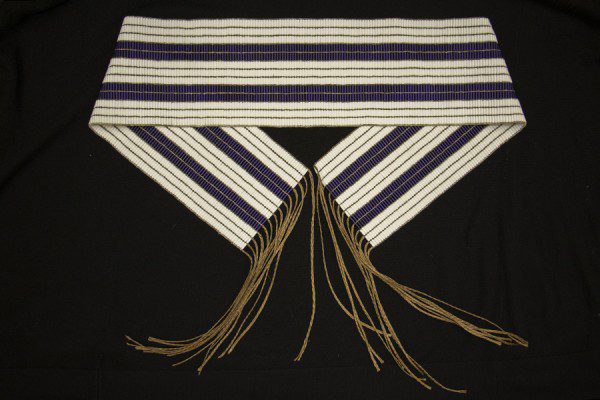
Wampum Belt

Stay Connected

Sign up to receive NOHT-ÉSON updates, learn about upcoming events and recent news.

Niagara Ontario Health Team

Équipe Santé Ontario Niagara

  • Contact Us
Join Us Online
  • Link to Facebook
  • Link to X
  • Link to LinkedIn

About NOHT-ÉSON

  • About Niagara’s Ontario Health Team
  • Vision, Mission And Values
  • Our Priorities
  • Our Partners
  • Our Stories
  • The Planning Table

Resources

  • Resource Navigator
  • FAQ
  • News & Updates

Updates

  • Small Shoulders, Big Hearts: YCA Partnership Shines a Light on Young Caregivers in NiagaraMay 25, 2026 - 2:56 pm
  • Recognizing the Impact of Positive Living Niagara’s Consumption and Treatment ServicesMay 7, 2026 - 4:09 pm
  • NOHT-ÉSON Reaffirms Commitment to Indigenous Health as Heather Winterstein Inquest BeginsApril 8, 2026 - 2:49 pm
  • On Caregivers Day, Niagara Caregivers Share Their Stories and Call for Better SupportApril 7, 2026 - 12:19 pm
  • New Niagara report identifies health system pressures, sets priorities for coordinated actionMarch 6, 2026 - 8:22 am

Stay Connected

Sign up to receive NOHT-ÉSON updates, learn about upcoming events and recent news.

Sign Up

Follow us on Facebook

Connect with us on X

NiagaraOHT Follow

Exceptional, connected care, now and for future generations. For emergencies call 9-1-1. #HealthyTogether

NiagaraOHT
niagaraoht NiagaraOHT @niagaraoht ·
25 May

We’re pleased to welcome the Young Caregivers Association as the newest partner of the NOHT-ÉSON.
YCA supports children, youth and young adults who provide care for family members, helping them feel seen, supported and connected. Learn more: https://tinyurl.com/3n2385sm

Reply on Twitter 2059003344698462239 Retweet on Twitter 2059003344698462239 Like on Twitter 2059003344698462239 1 Twitter 2059003344698462239
niagaraoht NiagaraOHT @niagaraoht ·
21 May

We’re at the Health and Wellness Expo today at Grand Canal Retirement Residence in Welland until 3 p.m.!

Stop by our table to ask questions about cancer screening, how to connect to a doctor, local resources and more.

📍439 King Street, Welland

Come say hello! 💙

Reply on Twitter 2057494437056426457 Retweet on Twitter 2057494437056426457 Like on Twitter 2057494437056426457 1 Twitter 2057494437056426457
niagaraoht NiagaraOHT @niagaraoht ·
13 May

We’re at the Fort Erie Native Friendship Centre’s Health & Wellness Fair today!

The NOHT-ÉSON is proud to be among the many groups participating in this year’s “Walking in Balance” event.
Come out and say hello — we’re here until 3 p.m.

📍 796 Buffalo Road

Reply on Twitter 2054616061064962554 Retweet on Twitter 2054616061064962554 Like on Twitter 2054616061064962554 1 Twitter 2054616061064962554
niagaraoht NiagaraOHT @niagaraoht ·
11 May

Earlier today, NOHT-ÉSON staff toured Gateway Residential and Community Support Services of Niagara’s HART Hub site on Queenston in St. Catharines.

Thank you to Alison for sharing how these services support addictions, mental health and supportive housing access in Niagara.

Reply on Twitter 2053947105723449726 Retweet on Twitter 2053947105723449726 Like on Twitter 2053947105723449726 1 Twitter 2053947105723449726
niagaraoht NiagaraOHT @niagaraoht ·
7 May

Today, on International Harm Reduction Day, the NOHT-ÉSON recognizes the impact of Positive Living Niagara’s CTS site, which recorded 88,000+ visits and 1,500+ overdose reversals between 2019 and 2025. 1/2

Reply on Twitter 2052497230741786803 Retweet on Twitter 2052497230741786803 Like on Twitter 2052497230741786803 1 Twitter 2052497230741786803
Load More
© Copyright - Niagara Ontario Health Team - Équipe Santé Ontario Niagara
  • Link to X
  • Link to Facebook
  • Login
  • Account
  • Privacy Policy and Website Disclaimer
Scroll to top Scroll to top Scroll to top