The Niagara Ontario Health Team – Équipe Santé Ontario Niagara (NOHT-ÉSON) is pleased to share Planning for the Future: A Data-Informed Health System in Niagara, a comprehensive report designed to support coordinated, evidence-based health system planning across the region.
This assessment establishes a baseline understanding of Niagara’s population health, service utilization and system capacity to help guide collective planning and investment over the next five to 10 years. It brings together data, research and system expertise from across Niagara to better understand current pressures, emerging needs and opportunities for action.
About the report
Developed collaboratively by Brock University, Niagara College, the Niagara Health Knowledge Institute, Niagara Health and Niagara Region Public Health, the report examines health system capacity across the continuum of care, including:
- Public health
- Primary care
- Emergency medical services
- Acute care
- Home and community care
- Long-term care
- Hospice and palliative care
- Mental health services
- Housing-related supports
Using the Canadian Institute for Health Information’s Stuff, Space, Staff and Systems framework, the report explores the material, physical, human and organizational resources required to meet the health needs of Niagara’s growing and changing population.
Key findings
The report identifies several important trends shaping health system capacity in Niagara, including:
- Population growth and aging are increasing demand across all health services
- Chronic disease and multimorbidity are contributing to more complex care needs
- Primary care unattachment remains a significant challenge
- Mental health, substance use and housing instability continue to drive system pressures
- Demand for EMS is rising and is expected to continue increasing
- Hospitals continue to face capacity pressures related to acuity, Alternate Level of Care days and diagnostic demand
- Workforce challenges are affecting multiple sectors across the continuum of care
- Limited supportive housing capacity is contributing to preventable health deterioration and downstream impacts on the broader system
Why this matters
The findings show that health system pressures in Niagara are deeply interconnected. Challenges in community care, long-term care, hospice, workforce capacity and housing all have direct effects on emergency and hospital services. The report reinforces the need for coordinated, cross-sector planning to improve system performance and better respond to evolving population needs.
Read the report
Click the report image below to open the full report.
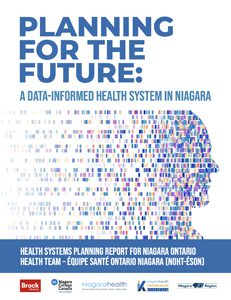
This report will help inform future planning, support collective decision-making and guide NOHT-ÉSON and its partners as they work together to strengthen Niagara’s health system for the years ahead.